Swipe, drag or use the arrow keys to turn the pages.
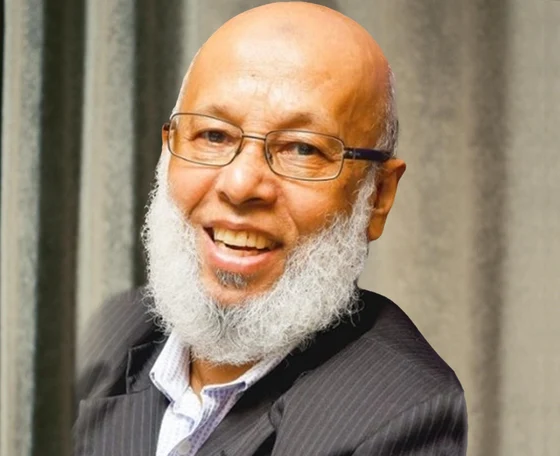
Md. Nurul Islam, founder of the family textile business.
1968
The cloth trade
Md. Nurul Islam, founder of Noman Group, began in the cloth trade. He bought fabric in Chattogram and carried it to the markets of Dhaka and Narayanganj.
Artex was the founding manufacturing venture of his family business. The company that makes warp knits today grew out of his decision to make the cloth he had once sold.
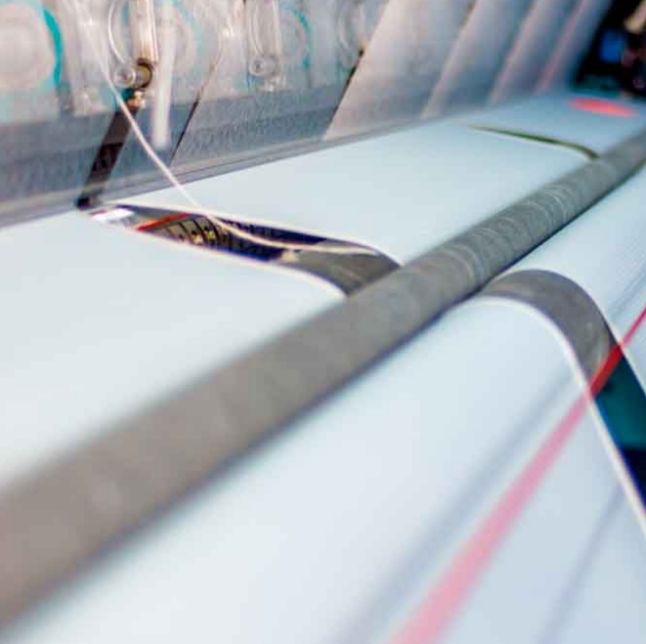
A later view of fabric on a roller at Tongi.
1976
The first mill
Nurul Islam bought machinery from Artex Fabrics and moved into manufacturing. Equipment from other mills followed as he built up production.
Among the early products were mosquito nets for the home and fabric for undershirts. Both gave the young business a place in everyday life.
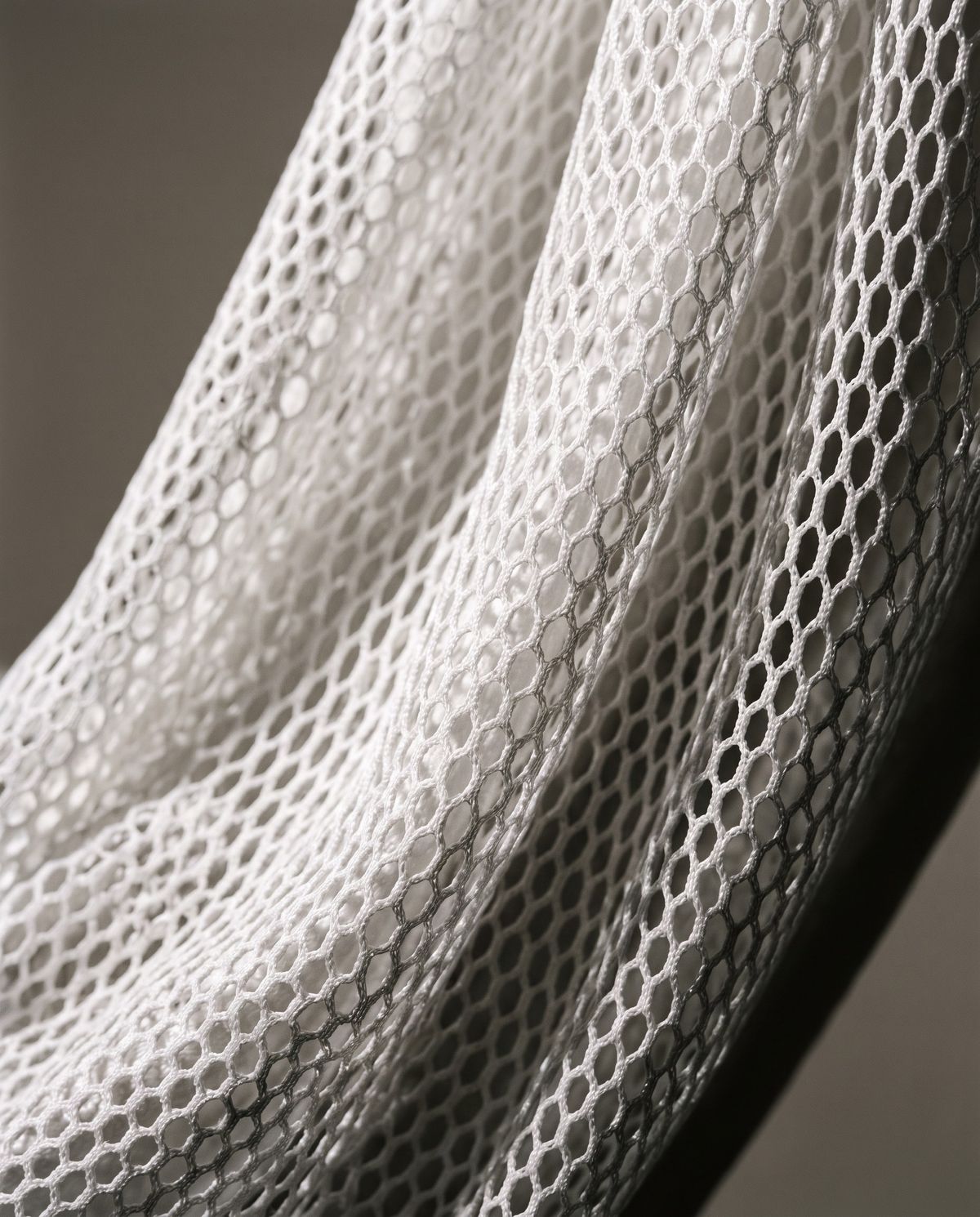
Mesh from the Artex fabric collection.
1980
Mesh, net and jersey
The family’s production records mark 1980 as the year Nurul Islam began making mesh, net and jersey fabrics. The range included both open structures and cloth for clothing.
Those early choices are still visible in the Artex collection. Netting encloses a bed, while an open mesh gives a sports jersey a panel that lets air through.
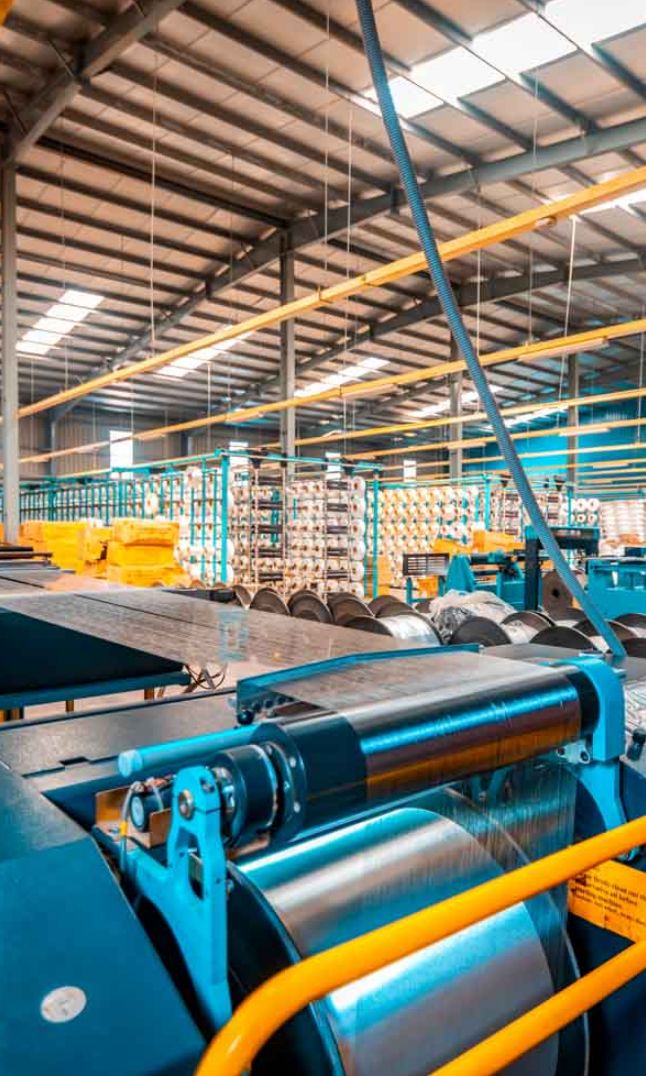
The Artex knitting floor, photographed in a later period.
1987
A family name
Nurul Islam named Noman Group after his eldest son. Artex remained the family’s link to the synthetic fabrics with which its manufacturing business began.
In later years the group would also make yarn, woven fabrics and household textiles. Warp knitting retained a distinct place in the family business.
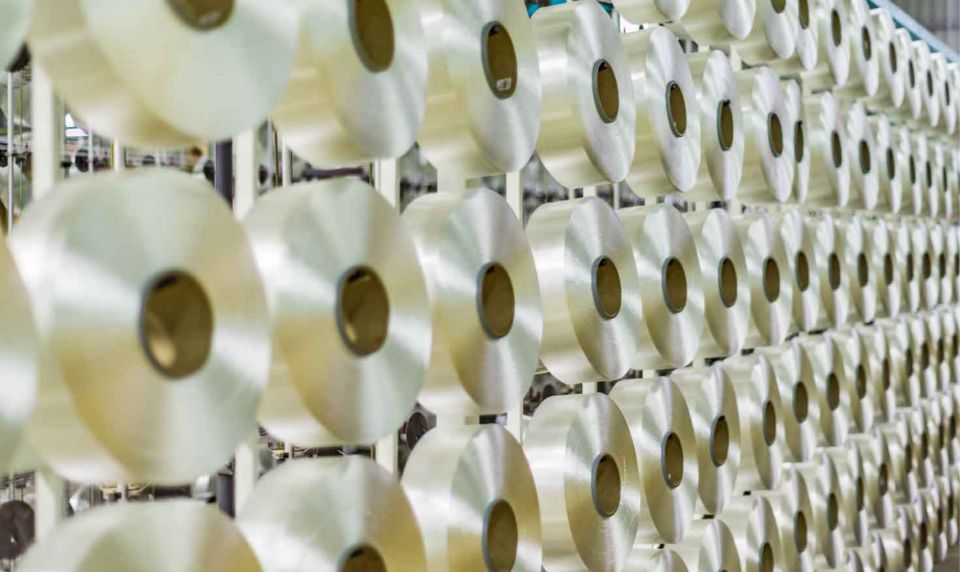
Yarn packages at an Artex facility.
1994–1999
Beyond the knitting floor
In 1994 the family conceived Zaber & Zubair Fabrics. In 1998 it established the Ismail Anjuman Ara trust for charitable work.
The following September, Noman Group invested in spinning. Spinning gave the family a stake in how the yarn itself was made.
From the Artex company brochure, 2022.
2012–2014
Home textiles abroad
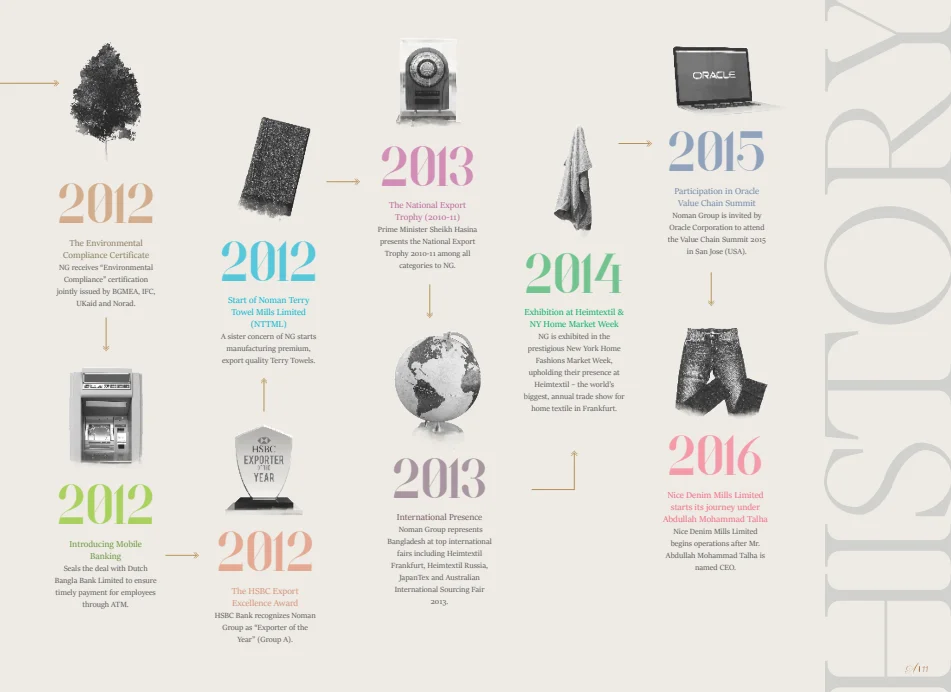
Noman Terry Towel Mills began making terry towels for export in 2012. Two years later the family businesses exhibited at New York Home Fashions Market Week.
Artex continued to make warp knits while its sister mills introduced overseas buyers to a wider range of Bangladesh-made home textiles.
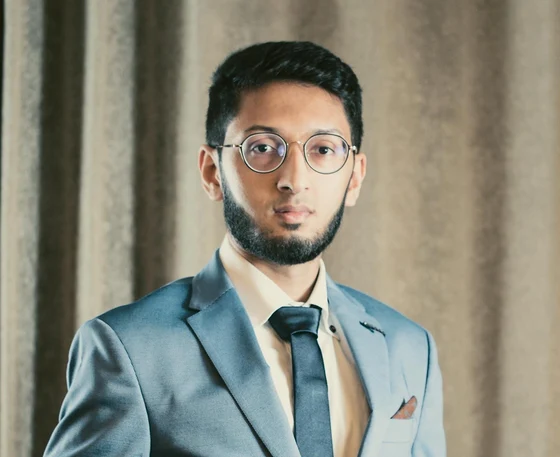
Abdullah Mohammad Talha, founder of Talha Group.
2016–2020
The next generation
Nurul Islam’s youngest son, Abdullah Mohammad Talha, took the family’s textile work into new areas. Nice Denim Mills began operating in 2016 with him as chief executive.
He founded Talha Group in 2020. Within it, Artex carries on the synthetic fabric business his father established.
Cover of the Artex company brochure, 2022.
2022
A record of the collection
The Artex brochure brought the mill’s fabrics and their uses together in print. A dressmaker could find bridal tulle on one spread and a sportswear buyer brushed tricot or dazzle on another.
Further pages showed netting in farming, fishing and camping. The collection documented how far the family’s original work in mesh had travelled.
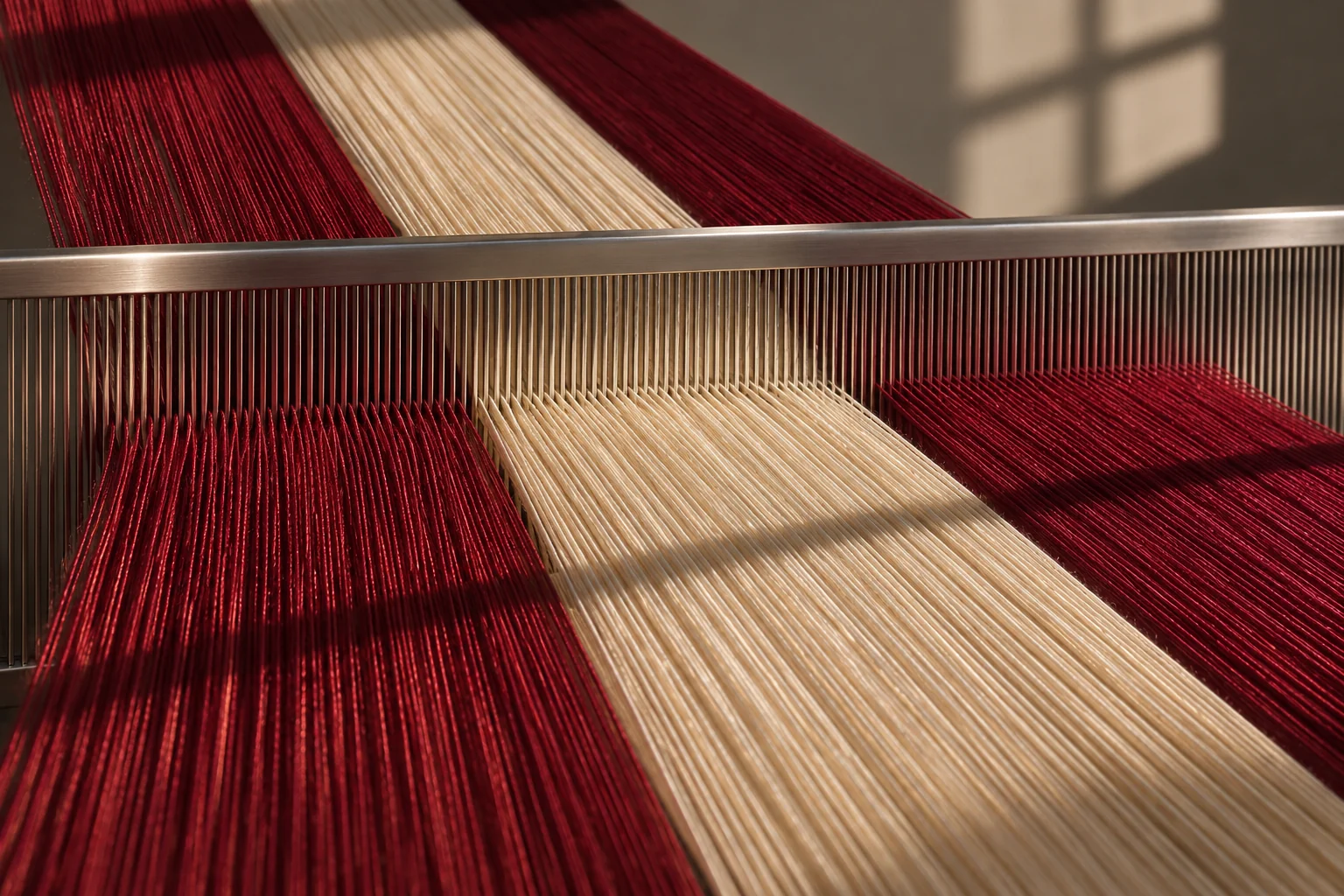
Studio study of warp preparation.
2025
The yarn behind the knit
Abdullah Mohammad Talha assumed ownership of Nice Synthetic Yarn Mills Limited. Its Nice-lon polyester fully drawn yarn supplies knitters and weavers.
For Artex, that brought a choice made at the yarn mill closer to the buyer. A bright filament gives dazzle its sheen. A more subdued lustre suits a tricot lining.
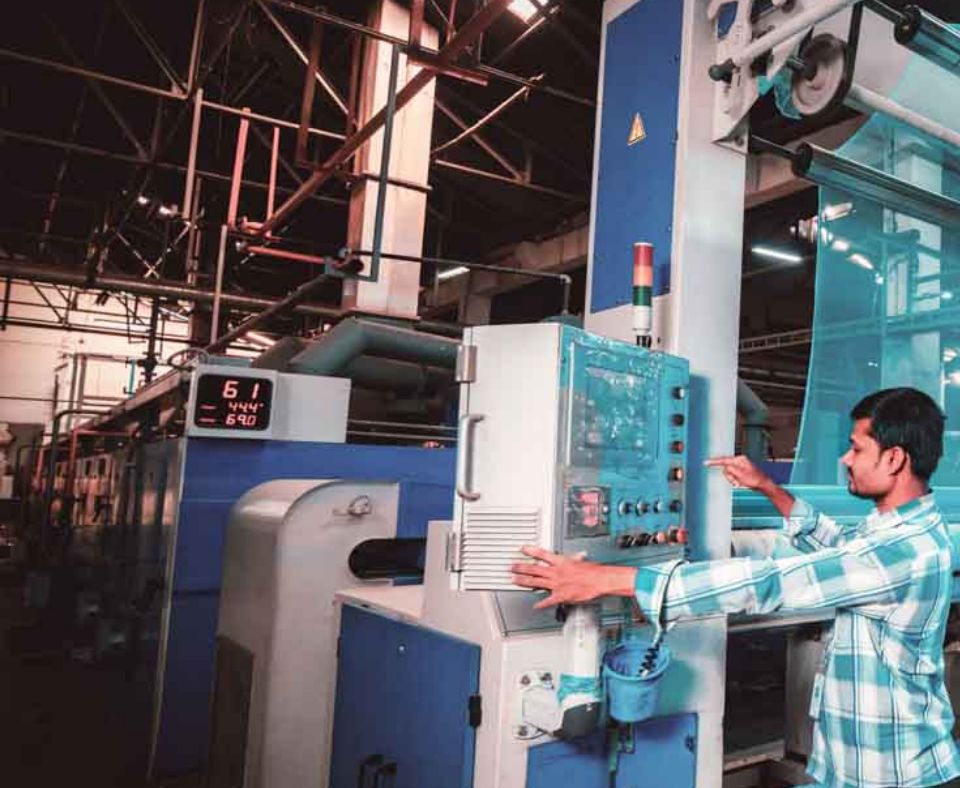
At work on the Artex production floor.
Today
Our factories today
From Tongi across Gazipur, Artex links filament yarn, warp knitting and synthetic dyeing. The Noman Fabrics Limited dyehouses match the buyer’s approved colour on the finished cloth.
Md. Nurul Islam began this manufacturing business with fabric for everyday use. Its work can still be seen in a garment lining, a bedroom canopy and a fishing net.